
VEHICLES & TRANSPORT
From cars and motorcycles to boats and bikes, discover top deals to upgrade your transport game.
REAL ESTATE
Find your dream home, investment property, or rental space across the globe.
JOBS & SERVICES
Connect with professionals and services to meet all your business and personal needs.
Accounting & Finance
Cleaning Services
Architecture & Engineering
Art & Design
Administrative Support
Automotive Services
Customer Service
Construction & Trades
Education & Tutoring
Event Planning
Healthcare & Medical
Hospitality & Catering
IT & Tech Support
Legal Services
Marketing & Communication
Pet Services
Real Estate Services
Repair & Maintenance
Security & Surveillance
Transport & Delivery
Translation & Language
Writing & Editing
Others Jobs
View All JOBS & SERVICES
ELECTRONICS & TECH
Latest gadgets, computers, smartphones, and tech accessories at unbeatable prices.
Computers & Laptops
Cables & Connectivity
Cameras & Photography
Chargers & Batteries
Audio & Headphones
Drones & Accessories
Gaming Accessories
Gaming & Consoles
Gadgets & Innovations
Phones & Smartphones
Printers & Scanners
Screens & Monitors
Security & Surveillance
Smart Home & Automation
Smartwatches & Wearables
Software & Apps
Speakers & Home Audio
Storage & Hard Drives
Tablets & iPads
Tech Components & Parts
TVs & Video
Other
View All ELECTRONICS & TECH
FASHION & ACCESSORIES
Discover luxury brands, streetwear, and everyday fashion for the whole family.
HOME | GARDEN | LEISURE
Everything for your home, garden, hobbies and leisure activities.
HOBBIES & LEISURE
Explore hobbies, leisure activities, and creative pursuits for all ages.
PETS & ANIMALS
Everything you need for your furry, feathered, and scaled companions.
Aquariums & Fish Supplies
Bird Cages & Accessories
Collars & Leashes
Farm Animals & Supplies
Grooming & Hygiene
Health & Supplements
Litter & Waste Management
Pet Accessories
Pet Adoption & Services
Pet Beds & Furniture
Pet Bowls & Feeders
Pet Clothing & Costumes
Pet Food & Treats
Pet Toys & Entertainment
Reptile Habitats & Supplies
View All PETS & ANIMALS
ART & ANTIQUES
Discover unique art pieces, collectibles, and timeless antiques.
DAILY DEALS
Amazing bargains and special offers updated daily just for you.
CLEARANCE
Huge discounts on overstocked items. Don't miss these incredible clearance deals!
CHILDCARE
Essential products and services for babies, toddlers, and parents.
Baby Monitors
Baby Carriers
Baby Furniture
Baby Bathtubs
Baby Toys
Bathing & Hygiene
Bibs & Burp Cloths
Bottles & Feeding
Breastfeeding Accessories
Changing Mats & Tables
Cribs & Cots
Diapers & Wipes
Early Learning Toys
High Chairs
Nursery Decor
Pacifiers & Teethers
Playpens & Safety Gates
View All CHILDCARE
← Scroll to see all categories
Daily Life in Bahrain: Housing, Healthcare, Transport and Legal Essentials
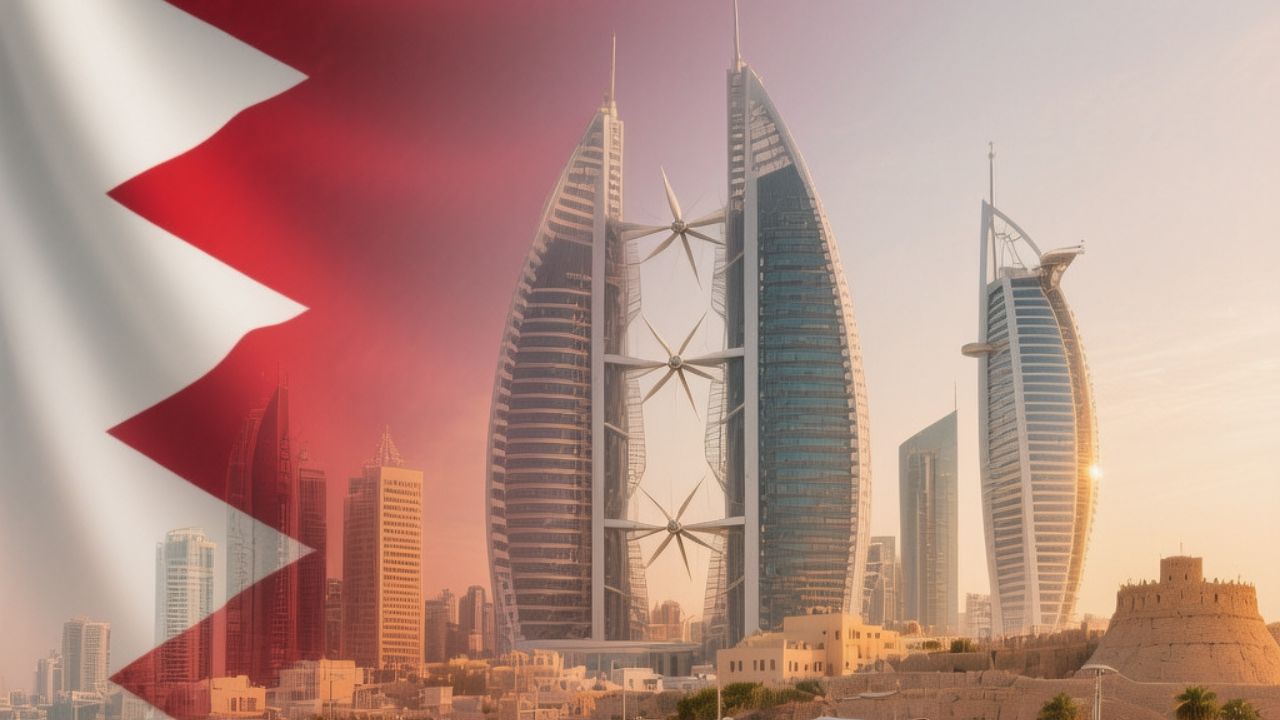
Blog - Bahrain
Hits: 10
Practical Expat Survival Guide to Live Comfortably in Bahrain Without Falling Into Common Traps
Daily life in Bahrain can be surprisingly smooth for expats once you understand how housing, healthcare, transport, telecoms and basic legal procedures really work. The country offers a comfortable standard of living, modern infrastructure and a friendly atmosphere, but there are also specific rules and local habits that you should know before you sign a lease, choose a clinic or start driving.
This guide walks you through the essentials of everyday life in Bahrain – where and how to find housing, how healthcare and insurance work, the reality of transport options, how to get connected quickly with mobile and internet, and which key procedures you should complete in your first weeks. Along the way, you’ll get practical tips to avoid classic expat mistakes and start your new life with confidence instead of trial-and-error.
- 🌶️ Housing and Accommodation
- 🌶️ Healthcare and Insurance
- 🌶️ Transport and Driving
- 🌶️ Telecoms and Internet
- 🌶️ Key Legal and Administrative Steps
- 🌶️ Practical Tips to Avoid Pitfalls
Housing and Accommodation in Bahrain 🌶️
Typical housing options for expats
Most expats in Bahrain choose between modern apartments in urban areas, serviced residences with hotel-style amenities, or villas in quieter residential districts. In Manama and surrounding neighbourhoods, you’ll find everything from compact studios to high-rise luxury flats with pools and gyms, as well as townhouses and standalone villas in family-oriented communities.
Popular expat areas include lively city districts with nightlife and malls, as well as more residential zones that offer better value for money and easier parking. Many landlords offer fully furnished units, which is convenient if you’re arriving on a short contract or don’t want to ship furniture. Unfurnished places are also available and can be a better deal long term if you plan to stay several years.
| Type | Who It Suits | Typical Features |
|---|---|---|
| Serviced apartments | Singles, couples, consultants on 1–2 year contracts. | Furnished, reception, housekeeping, sometimes pool/gym. |
| City apartments | Professionals who want to be near offices and malls. | Modern buildings, parking, elevators, mixed expat/local residents. |
| Villas / townhouses | Families needing space and outdoor areas. | Multiple bedrooms, garden or patio, often in quiet communities. |
How leases and bills usually work
Rental contracts are commonly signed for 12 months, sometimes with a security deposit equivalent to one month’s rent and post-dated cheques or monthly transfers. In many cases, electricity and water are billed separately through the national utility authority, while internet, TV and gas may or may not be included depending on the agreement. Some landlords bundle basic utilities into the rent – always clarify this before you sign.
🌶️ Spicy Tip: Never rely only on photos and WhatsApp videos – visit at different times of day to check noise, traffic and parking, and always get a written lease that clearly states what is and isn’t included (EWA, internet, furniture, maintenance).
Ready to Shortlist Your Bahrain Home? 🌶️
Compare real apartments, villas and shared options across Bahrain before you land, so you can book a viewing schedule instead of starting from zero on arrival.
Browse Bahrain Housing on Pickeenoo
Healthcare and Insurance 🌶️
Public vs private healthcare basics
Bahrain has both public and private healthcare systems, and as an expat you will usually rely mainly on private clinics and hospitals for day-to-day care. Public facilities exist and a national health-insurance framework is being rolled out, but your experience as a foreign resident will still largely depend on the coverage arranged by your employer or your own private policy. Many expats prefer international or regional insurers that offer direct billing at major hospitals.
What expats should know about insurance
Most employers include health insurance as part of the standard package, at least for the employee and sometimes for dependants. This typically covers consultations, tests and hospital stays at a network of private clinics and hospitals in Bahrain, with possible co-payments or limits for dental, optical and maternity. If you are self-employed, a freelancer or on an investor visa, you’ll need to arrange your own insurance that meets local requirements and your personal risk tolerance.
🌶️ Spicy Tip: Before accepting an offer, ask for the name of the insurer, the coverage level and the list of hospitals in the network – “medical insurance included” can mean very different things depending on the policy.
🔥 Hot Revelation: New Mandatory Health Insurance for Expats
Did you know? Bahrain has been moving towards a system where employers must provide mandatory health insurance for expatriate employees, integrating public and private providers under a unified framework.
For expats, this means that basic emergency and primary care will be increasingly standardised, but you may still want private or international insurance on top for broader coverage, especially if you travel or want access to specific clinics and specialists.
Transport and Driving in Bahrain 🌶️
Public transport and taxis
Public transport in Bahrain is mainly based on a bus network that covers key routes between major areas, but many expats find it limited in terms of frequency and coverage. For flexibility, most newcomers rely on a mix of ride-hailing services, taxis and, eventually, their own car. Ride-hailing apps operate widely in urban areas and are often the easiest way to move around before you get a local licence or buy a vehicle.
Driving, licences and cars
Roads in Bahrain are generally in good condition, and driving is the preferred option for many residents, especially families or those living outside central districts. You might be able to drive temporarily on an international licence, but if you become a resident you’ll eventually need to convert your licence or obtain a local one. Many expats start with long-term car rentals or lease deals before deciding whether to buy.
| Mode | Pros | Cons |
|---|---|---|
| Bus | Cheap, decent for main routes. | Limited coverage and frequency, less ideal for daily commuting. |
| Ride-hailing | Convenient, app-based, no parking stress. | Costs add up for heavy daily use. |
| Own car | Maximum freedom, good for families and long stays. | Upfront costs, insurance, and responsibility for maintenance. |
🌶️ Spicy Tip: If you plan to stay more than a year, negotiate a transport allowance or company car – between rent, school and commuting, that benefit can make a big difference to your monthly budget.
Telecoms and Internet 🌶️
Mobile and SIM cards
Getting a local SIM card in Bahrain is usually straightforward once you have valid ID and, ideally, a residence permit. Several major operators offer prepaid and postpaid plans with generous data allowances, and coverage is generally strong across urban areas. Many expats start with a prepaid SIM at the airport or in a mall, then switch to a postpaid contract once their paperwork and address are stable.
Home internet and connectivity
Home internet is widely available through multiple providers, with fibre or high-speed connections in many buildings. To set up a home connection, you’ll typically need your residence ID, passport, and sometimes your tenancy contract. Bundled packages with TV and landline are available but not essential if you mostly stream content. For digital nomads and remote workers, connection quality is usually sufficient for video calls and heavy online work.
🌶️ Spicy Tip: Ask neighbours or your building’s WhatsApp group which internet provider actually performs best in that specific building – advertised speeds and real-life stability can be very different.
Key Legal and Administrative Steps 🌶️
Documents to keep ready
To make your first weeks in Bahrain smoother, keep a folder (physical and digital) with your essential documents: passport, visa or entry permit, job contract, ID card once issued, tenancy agreement, health-insurance details and any family papers like marriage and birth certificates. You will reuse these documents for everything from opening bank accounts to signing leases and completing school registrations.
First administrative steps after arrival
- Complete medical checks and biometric registrations required for your residence permit.
- Obtain your local ID card once your residence is approved.
- Register with your embassy or consulate, especially if you plan to stay long term.
- Open a local bank account once you have your ID and proof of address.
- Set up utilities and telecoms if they are not already included in your lease.
🌶️ Spicy Tip: Scan every signed contract and official document and store copies in the cloud – when you renew visas, change jobs or move apartments, those files will save you countless trips and requests for “one more copy”.
Practical Tips to Avoid Common Pitfalls 🌶️
Money, contracts and fine print
In Bahrain, as in many countries, most frustrations come not from the system itself but from misunderstandings around contracts and expectations. Before signing anything – whether an employment contract, lease, car rental or school agreement – read the fine print on notice periods, penalties, maintenance responsibilities and what happens if you leave early. When in doubt, ask for clarifications in writing rather than relying on verbal promises.
Social integration and cultural respect
Daily life becomes much easier when you combine practical preparation with a respectful attitude toward local customs. Dress codes are generally relaxed compared to some neighbours, but modesty is still appreciated in more traditional areas. Learning a few basic Arabic phrases, being patient with administrative rhythms and showing curiosity about local culture all go a long way in building good relationships with neighbours, colleagues and service providers.
🌶️ Spicy Tip: Join at least one local or expat community (sports, professional, parenting or hobby group) within your first month – the best tips about housing, schools, doctors and deals almost always come from other people already living the same reality.
📊 Article Information
Meta Description:
Article Length: ~2,000–3,000 words.
Last Updated: January 2026 | Category: Expat Life – Daily Living
#DailyLifeBahrain #LivingInBahrain #BahrainExpat #BahrainHousing #BahrainHealthcare #BahrainTransport #MoveToBahrain #ExpatTips #GulfLifestyle #Pickeenoo 🌶️