
VEHICLES & TRANSPORT
From cars and motorcycles to boats and bikes, discover top deals to upgrade your transport game.
REAL ESTATE
Find your dream home, investment property, or rental space across the globe.
JOBS & SERVICES
Connect with professionals and services to meet all your business and personal needs.
Accounting & Finance
Cleaning Services
Architecture & Engineering
Art & Design
Administrative Support
Automotive Services
Customer Service
Construction & Trades
Education & Tutoring
Event Planning
Healthcare & Medical
Hospitality & Catering
IT & Tech Support
Legal Services
Marketing & Communication
Pet Services
Real Estate Services
Repair & Maintenance
Security & Surveillance
Transport & Delivery
Translation & Language
Writing & Editing
Others Jobs
View All JOBS & SERVICES
ELECTRONICS & TECH
Latest gadgets, computers, smartphones, and tech accessories at unbeatable prices.
Computers & Laptops
Cables & Connectivity
Cameras & Photography
Chargers & Batteries
Audio & Headphones
Drones & Accessories
Gaming Accessories
Gaming & Consoles
Gadgets & Innovations
Phones & Smartphones
Printers & Scanners
Screens & Monitors
Security & Surveillance
Smart Home & Automation
Smartwatches & Wearables
Software & Apps
Speakers & Home Audio
Storage & Hard Drives
Tablets & iPads
Tech Components & Parts
TVs & Video
Other
View All ELECTRONICS & TECH
FASHION & ACCESSORIES
Discover luxury brands, streetwear, and everyday fashion for the whole family.
HOME | GARDEN | LEISURE
Everything for your home, garden, hobbies and leisure activities.
HOBBIES & LEISURE
Explore hobbies, leisure activities, and creative pursuits for all ages.
PETS & ANIMALS
Everything you need for your furry, feathered, and scaled companions.
Aquariums & Fish Supplies
Bird Cages & Accessories
Collars & Leashes
Farm Animals & Supplies
Grooming & Hygiene
Health & Supplements
Litter & Waste Management
Pet Accessories
Pet Adoption & Services
Pet Beds & Furniture
Pet Bowls & Feeders
Pet Clothing & Costumes
Pet Food & Treats
Pet Toys & Entertainment
Reptile Habitats & Supplies
View All PETS & ANIMALS
ART & ANTIQUES
Discover unique art pieces, collectibles, and timeless antiques.
DAILY DEALS
Amazing bargains and special offers updated daily just for you.
CLEARANCE
Huge discounts on overstocked items. Don't miss these incredible clearance deals!
CHILDCARE
Essential products and services for babies, toddlers, and parents.
Baby Monitors
Baby Carriers
Baby Furniture
Baby Bathtubs
Baby Toys
Bathing & Hygiene
Bibs & Burp Cloths
Bottles & Feeding
Breastfeeding Accessories
Changing Mats & Tables
Cribs & Cots
Diapers & Wipes
Early Learning Toys
High Chairs
Nursery Decor
Pacifiers & Teethers
Playpens & Safety Gates
View All CHILDCARE
← Scroll to see all categories
Traditional Spanish Dishes : Complete Foodie Guide Spain 2026
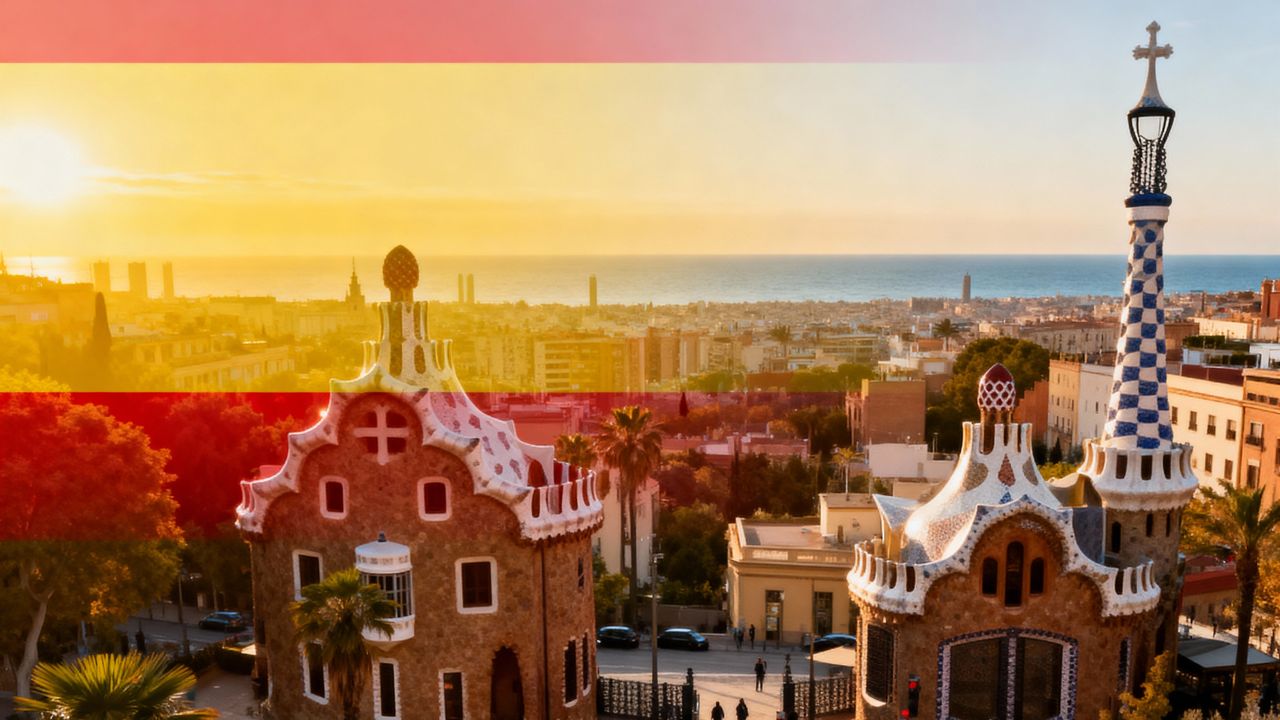
SP GENERAL GUIDE
Hits: 231
Featured
Spain Is Not Just “Paella and Tapas” – It’s Dozens of Micro‑Cuisines on One Map
Ask people to name a Spanish dish and you usually hear “paella, tapas, maybe churros”. In reality, Spanish food in 2026 is a mosaic: rice from Valencia, stews from Madrid and Asturias, octopus from Galicia, pintxos from the Basque Country and seafood feasts along the Mediterranean and Atlantic coasts.
This complete foodie guide gives you a structured tour of traditional Spanish dishes: the must‑know national classics, the tapas culture, key regional specialties and the desserts and snacks you should not skip. You will see what to order, where it comes from, and how to eat in a way that feels local instead of tourist‑generic – whether you are in Barcelona, Madrid, Seville, Bilbao or a tiny village bar. 🌶️
🌶️ Table of Contents
- 1. National Essentials: The Spanish Dishes Everyone Talks About
- 2. Tapas & Pintxos: How Spain Really Eats & Drinks
- 3. Regional Classics: What to Eat, Where
- 4. Seafood, Meats & Stews: Comfort Food Across Spain
- 5. Desserts, Breakfasts & Anytime Treats
- 6. How to Order Like a Local Foodie in 2026
- 7. 🌶️ Spicy Tips for Planning a Food‑Focused Trip
- 8. Use Pickeenoo to Turn Food Dreams Into Real Trips & Kitchens
- 9. FAQ: Traditional Spanish Food in 2026
- 10. Bottom Line 🌶️
1. National Essentials: The Spanish Dishes Everyone Talks About
Certain dishes show up on almost every “traditional Spanish food” list: paella, tortilla de patatas, jamón, gazpacho and churros. Even if the best versions are regional, these are your baseline “Spanish food vocabulary”.
Paella
- Iconic rice dish from Valencia, cooked in a wide shallow pan, traditionally with rabbit, chicken, green beans and sometimes snails (paella valenciana).
- Other common versions include seafood paella (paella de marisco) and mixed paella combining meat and seafood.
Tortilla de Patatas (Spanish Omelette)
- Thick omelette made with eggs and potatoes, sometimes onion, eaten hot or at room temperature at any time of the day.
- Found everywhere: in bars as a tapa, in sandwiches (bocadillos), at home and in traditional restaurants.
Jamón (Cured Ham)
- Dry‑cured ham, often considered Spain’s most revered product; main types include Jamón Serrano and the more premium Jamón Ibérico.
- Usually served thinly sliced, often with bread or as part of a tapas spread.
Gazpacho & Salmorejo
- Gazpacho: chilled soup from Andalusia made from blended tomatoes, peppers, cucumber, garlic, olive oil and bread.
- Salmorejo: thicker, creamier cousin from Córdoba, typically topped with chopped egg and ham.
🌶️ Spicy Tip: If you want a quick “national tasting” in one night, order a small paella to share, tortilla, jamón, a cold gazpacho and churros later – that line‑up hits several core flavours in one go.
2. Tapas & Pintxos: How Spain Really Eats & Drinks
Tapas are small plates served with drinks, and pintxos are the Basque bite‑sized skewered or toothpick‑topped snacks. In many regions, going out “for tapas” means moving from bar to bar, eating a little in each place.
Classic Tapas You Will See Everywhere
- Patatas bravas: fried potatoes with a spicy tomato or aioli sauce.
- Gambas al ajillo / al pil‑pil: prawns cooked in olive oil with garlic and chilli, often served sizzling in a clay dish.
- Pimientos de Padrón: small green peppers fried in olive oil and sprinkled with coarse salt – most are mild, some are surprisingly spicy.
- Croquetas: deep‑fried béchamel croquettes, often filled with ham, chicken or cod.
- Pinchos morunos: Moorish‑spiced meat skewers, usually pork or chicken, marinated in a blend with paprika, cumin and other spices.
How Tapas Culture Works
- Tapas can be free with drinks in some regions or ordered separately from a menu; the tradition varies by city.
- Pintxos bars (especially in the Basque Country) display many options on the counter, and you pay based on the number of toothpicks left on your plate.
🌶️ Spicy Tip: The best tapas nights are “progressive”: one bar for tortilla, another for croquetas, another for seafood – locals rarely eat everything in one place.
3. Regional Classics: What to Eat, Where
Spain’s food changes dramatically from region to region. Good regional guides break it down by area: Galicia, Basque Country, Catalonia, Madrid, Valencia, Andalusia, Asturias, Castile and others.
Galicia & Northern Spain
- Pulpo a la gallega (polbo a feira): boiled octopus cut into pieces, dressed with olive oil, salt and paprika, traditionally served on a wooden plate.
- Empanada gallega: baked savoury pie, often filled with tuna, meat or vegetables.
Basque Country & Navarra
- Pintxos culture in cities like San Sebastián and Bilbao – mini portions of seafood, tortilla, meats and creative combinations on bread.
- Grilled fish and meats, including bacalao (salt cod) and beef steaks.
Catalonia
- Pa amb tomàquet (pan con tomate): rustic bread rubbed with garlic and ripe tomato, topped with olive oil and salt – a staple at breakfast and meals.
- Escalivada: roasted peppers, eggplant and onions, often served with anchovies.
Madrid & Castile
- Cocido madrileño: multi‑course chickpea stew with meats and vegetables.
- Callos a la madrileña: tripe stew with chorizo and other cuts, slow‑cooked until rich and gelatinous.
- Bocadillo de calamares: fried squid sandwich, especially iconic in Madrid.
Andalusia
- Gazpacho and salmorejo (cold tomato‑based soups).
- Pescaíto frito: assorted small fried fish, especially along the coast.
🌶️ Spicy Tip: If you travel across multiple regions, keep a simple food “bucket list” per area – one or two dishes you must try in their home region before you leave.
4. Seafood, Meats & Stews: Comfort Food Across Spain
Beyond tapas, Spanish cuisine shines in slow‑cooked dishes and straightforward preparations of seafood and meat. Food guides highlight a mix of stews, grills and oven‑roasted dishes.
Seafood Highlights
- Gambas al ajillo / pil‑pil: prawns in garlic and chilli oil.
- Bacalao: salt cod prepared in sauces or grilled, common in northern regions.
- Espetos: sardines grilled on skewers over open coals, especially famous in Málaga.
Meats & Stews
- Fabada asturiana: hearty Asturian bean stew with chorizo, morcilla and pork cuts.
- Cochinillo asado (roast suckling pig) and lechazo (roast lamb): specialities from Castile and León.
- Chorizo al vino: chorizo sausage cooked in wine, often served as a tapa.
🌶️ Spicy Tip: Many of these heavier dishes are seasonal – aim for fabada, cocidos and callos in colder months and lean toward seafood and gazpacho in summer.
5. Desserts, Breakfasts & Anytime Treats
Spanish desserts and snacks include both simple, everyday options and festival‑style treats. Many guides list churros, flan, crema catalana and rice pudding among the must‑tries.
Sweet Classics
- Churros con chocolate: fried dough sticks served with thick hot chocolate, especially popular for breakfast or late‑night snacks.
- Crema catalana: custard dessert with a caramelised sugar top, similar to crème brûlée but with its own regional twist.
- Flan and arroz con leche (rice pudding): simple, comforting desserts common on menus across Spain.
🌶️ Spicy Tip: In Spain, “dessert” can also be a coffee and a little something sweet – you do not have to order a full plate every time to experience traditional flavours.
6. How to Order Like a Local Foodie in 2026
Knowing names is one thing; ordering like a local is another. Food writers and travellers’ guides emphasise timing, portion sizes and bar‑hopping etiquette.
Practical Ordering Tips
- Look for menu del día (set daily menu) at lunchtime for good‑value multi‑course meals.
- In tapas bars, start with one or two small plates and order more gradually; standing at the bar is normal.
- Ask about regional specials or “plato del día” – many traditional dishes are not permanent menu fixtures.
🌶️ Spicy Tip: If you see a short list of dishes written on a chalkboard in a crowded place, that board is often more interesting than the printed menu – it is where seasonal, traditional and off‑menu dishes appear.
7. 🌶️ Spicy Tips for Planning a Food‑Focused Trip
🌶️ Spicy Tip: Anchor each region you visit with one specific dish mission (pulpo in Galicia, pintxos in San Sebastián, cocido in Madrid, espeto in Málaga) so your itinerary has edible “targets”.
🌶️ Spicy Tip: Use current 2026 guides and local blogs – many classic dishes stay the same, but the best bars and restaurants change fast.
🌶️ Spicy Tip: If you cook, take notes and photos of menus and ingredient lists; many Spain‑focused food blogs include traditional recipes you can recreate at home.
8. Use Pickeenoo to Turn Food Dreams Into Real Trips & Kitchens
Fell in Love With Spanish Food? 🌶️
Use Pickeenoo to find travel partners, rentals, cooking gear, Spanish cookbooks, ingredients and food‑tour services – so your Spain foodie plan moves from screenshots to actual plates and pans.
Browse Foodie‑Friendly Deals & Travel Essentials
🌶️ Turn “I Want to Eat That” Into “I Ate That There”
Planning the right dishes, regions and timing is what turns a Spain trip into a real culinary journey instead of just another city break.
9. FAQ: Traditional Spanish Food in 2026
What are the top traditional Spanish dishes everyone should try?
Commonly cited essentials include paella (especially Valencian), tortilla de patatas, jamón (Serrano and Ibérico), gazpacho or salmorejo, pulpo a la gallega, croquetas, patatas bravas and churros con chocolate.
Is Spanish food the same everywhere in Spain?
No. Regional cuisine is a huge part of Spanish food culture: Galicia focuses on seafood and octopus, the Basque Country on pintxos and grilled dishes, Valencia on rice and paellas, Madrid and Castile on stews and roasts, and Andalusia on fried fish and cold soups.
How important are tapas to everyday Spanish eating?
Very. Tapas and pintxos are central to social life and casual dining, with many Spaniards preferring to share multiple small plates with drinks instead of ordering one large main dish.
10. Bottom Line 🌶️
Traditional Spanish food in 2026 is best understood as a network of regional dishes – paella, tortilla, jamón, stews, seafood, tapas and sweets – rather than a single national menu. If you match what you eat to where you are (octopus in Galicia, paella in Valencia, pintxos in the Basque Country, gazpacho in Andalusia, cocido and bocadillo de calamares in Madrid), you’ll experience why Spain remains one of the world’s favourite food destinations. And once you know the names and stories behind each dish, every bar counter and daily menu becomes a lot more interesting to read.
📊 Article Information
Article Length: ~2,100 words (≈ 10 minutes reading time).
Last Updated: January 2026 | Category: Food & Travel – Spain Culinary Guides